Celebrating AUD60: A look back at AUD's legacy-defining history
Jan 8, 2026
For sixty years, UCLA Architecture and Urban Design (UCLA AUD) has pursued a better tomorrow through design. Grounded in a culture of collaboration and experimentation, UCLA AUD is where emerging designers and a diverse community committed to creativity, rigor, and shared purpose come together to imagine new possibilities, test bold strategies, and shape the future.
As UCLA AUD celebrates its 60th anniversary in 2026, we honor the legacy of our students, faculty, and collaborators—the buildings and communities we've shaped, the innovations and policies we've pioneered, and the knowledge we've created.
As we embark upon this celebration, take a brief stroll through AUD's first sixty years.
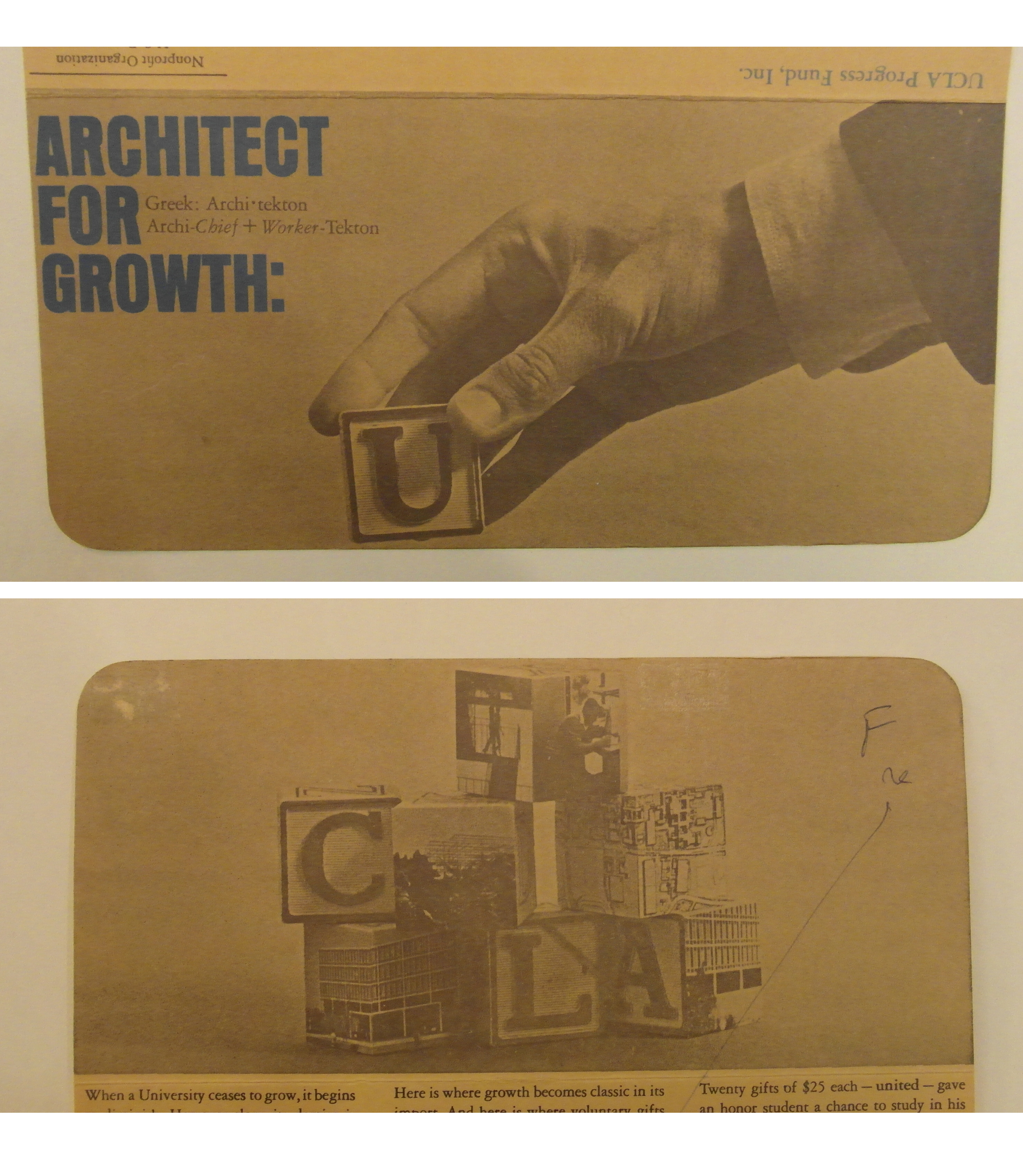
In 1958, UCLA President Robert Sproul appointed a committee to consider the need for an architecture program at the university. Six years later, in 1964, the UCLA School of Architecture and Urban Planning was established, and the architect George Dudley appointed Dean. Dudley invited three founding faculty members—Denise Scott Brown, Henry Liu and Peter Kamnitzer—to join the school and to outline a pedagogy for the program. The school’s initial enrollment of 20 students began classes in 1966.
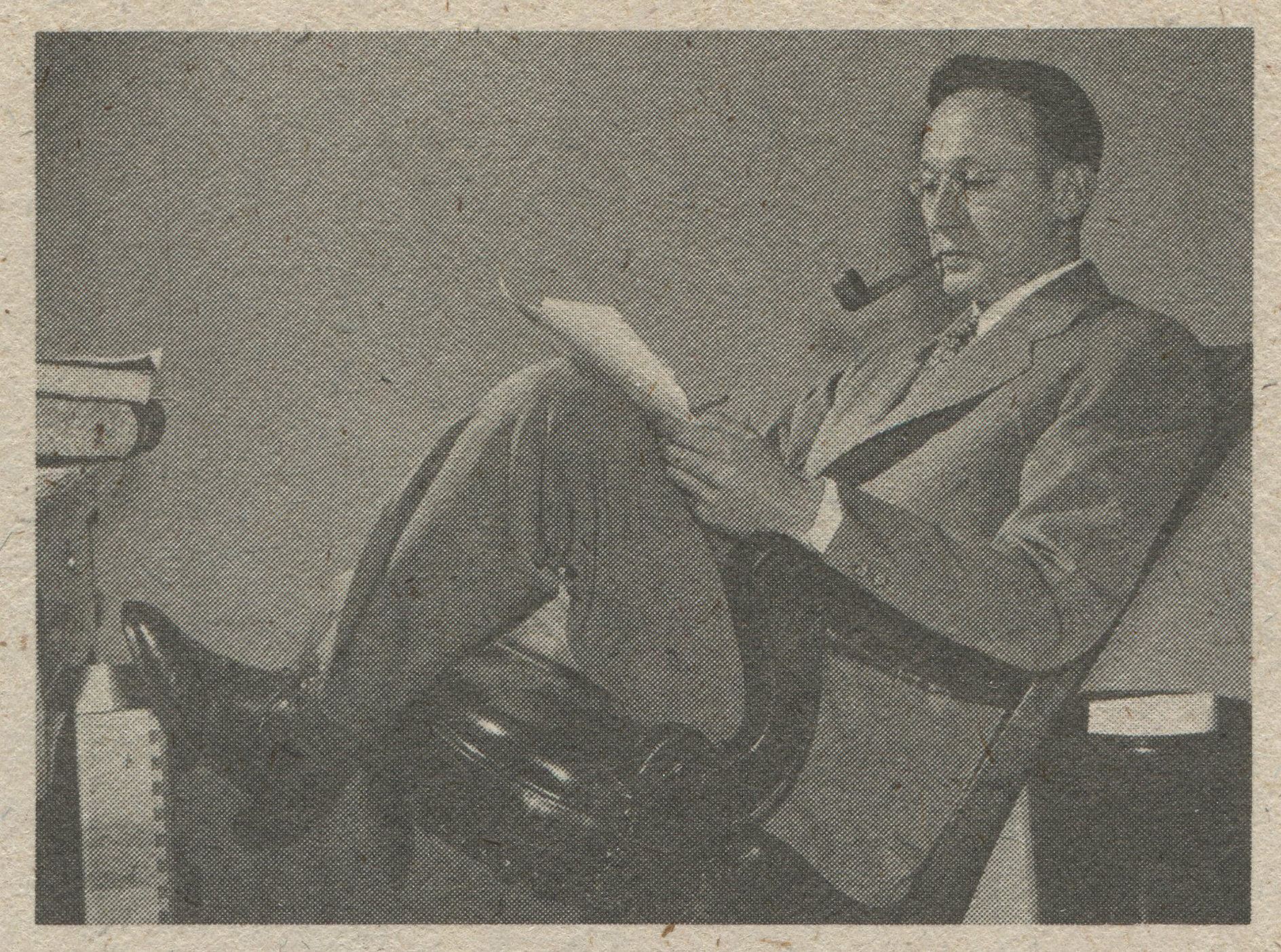
In 1968, Harvey Perloff was appointed to succeed Dudley as Dean of the school. Considered “the dean of American urban planners” by his peers, Perloff came to UCLA after having worked as a planning advisor to President John F. Kennedy. In the 15 years that followed, Perloff, a pioneer in the new field of urban and regional economics, significantly shaped planning education.

One of his primary goals was to develop a student body that would reflect the diversity of Los Angeles, and he would significantly increase the proportion of both minority and female students and faculty at the school during his tenure.
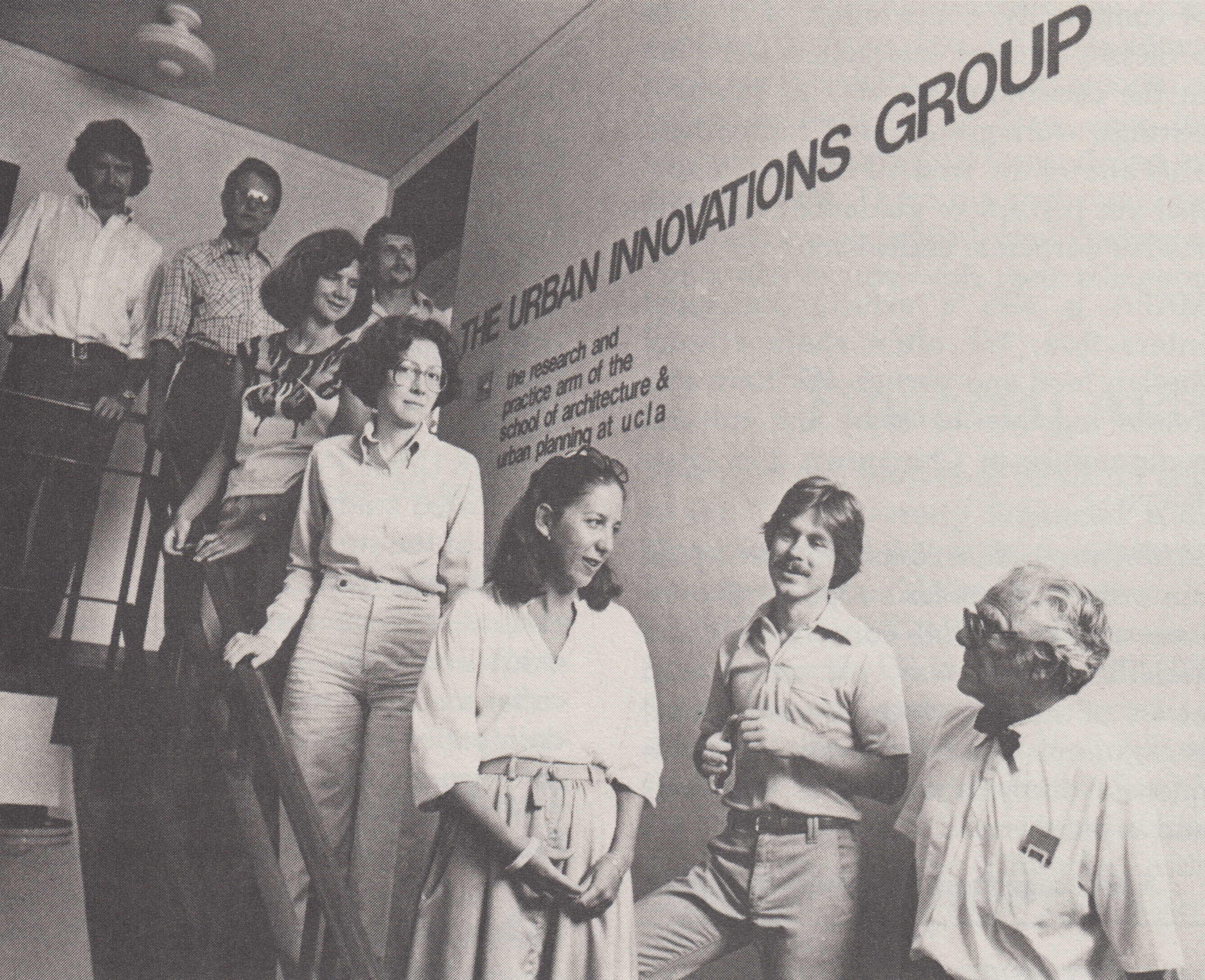
Perloff also oversaw the development of the Urban Innovations Group. Based on a belief in architectural practice as a form of pedagogy, the Urban Innovations Group was a teaching clinic wherein faculty and student interns worked together with clients on commissioned designs. It lasted for 23 years as a not-for-profit organization located in Westwood Village. Diverse projects completed by the Urban Innovations Group included the Oceanside Civic Center and a Bunker Hill masterplan.
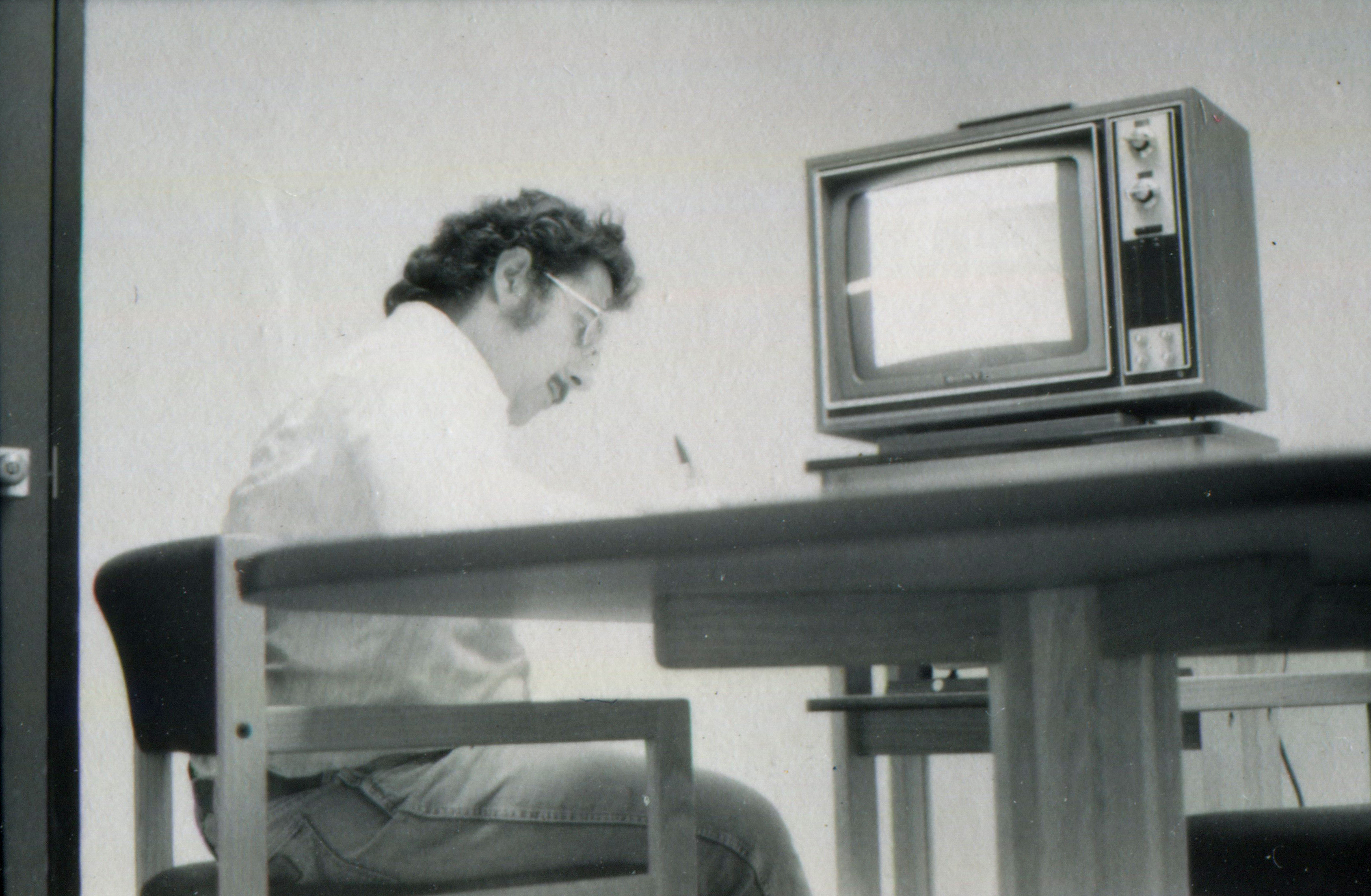
The enterprise was unprecedented insofar as it gave Architecture and Planning students the opportunity to engage in supervised professional practice.
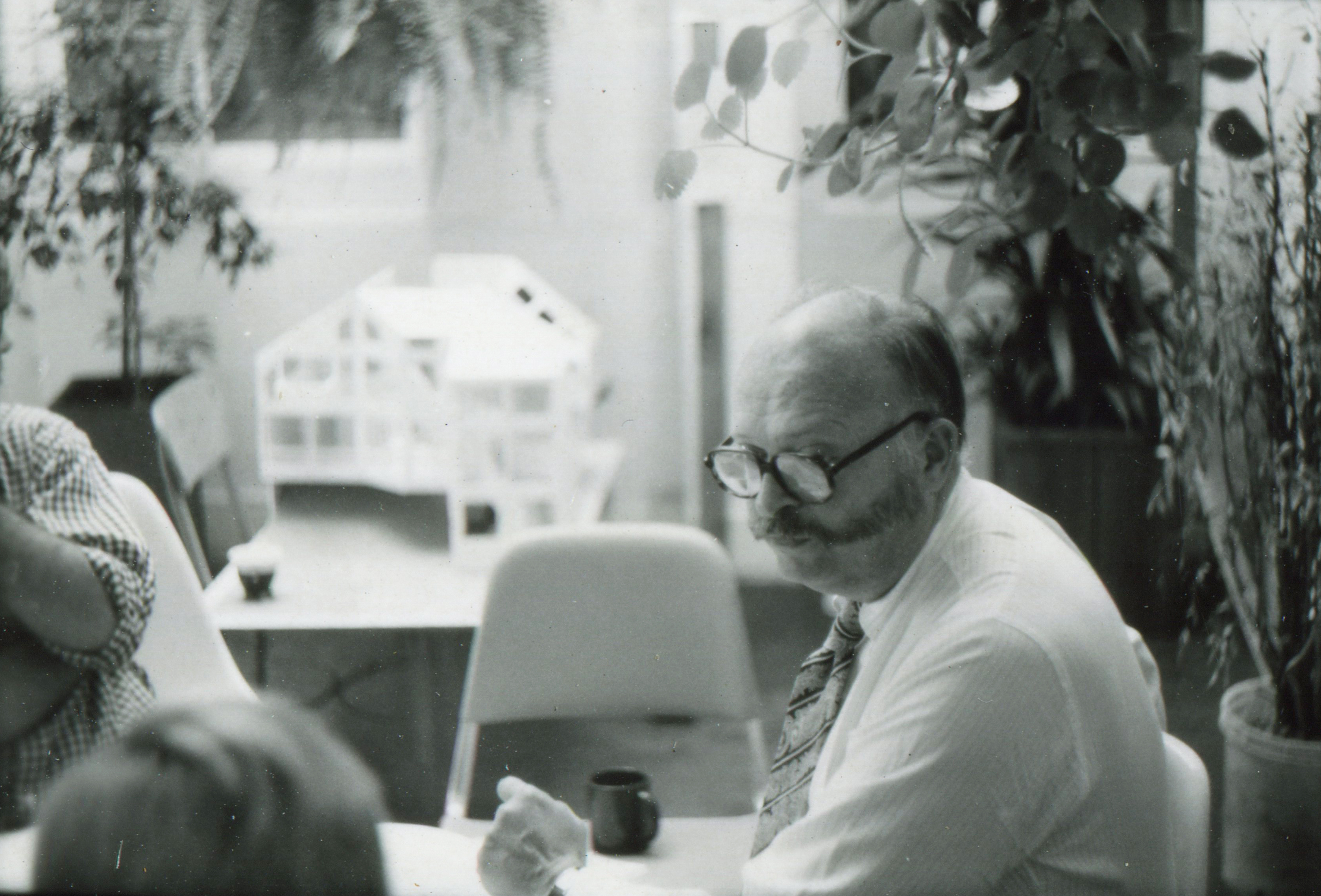
Perloff brought Charles Moore to UCLA in 1975, where he worked with students in the group on such notable projects as the Piazza d’Italia in New Orleans and the Beverly Hills Civic Center.
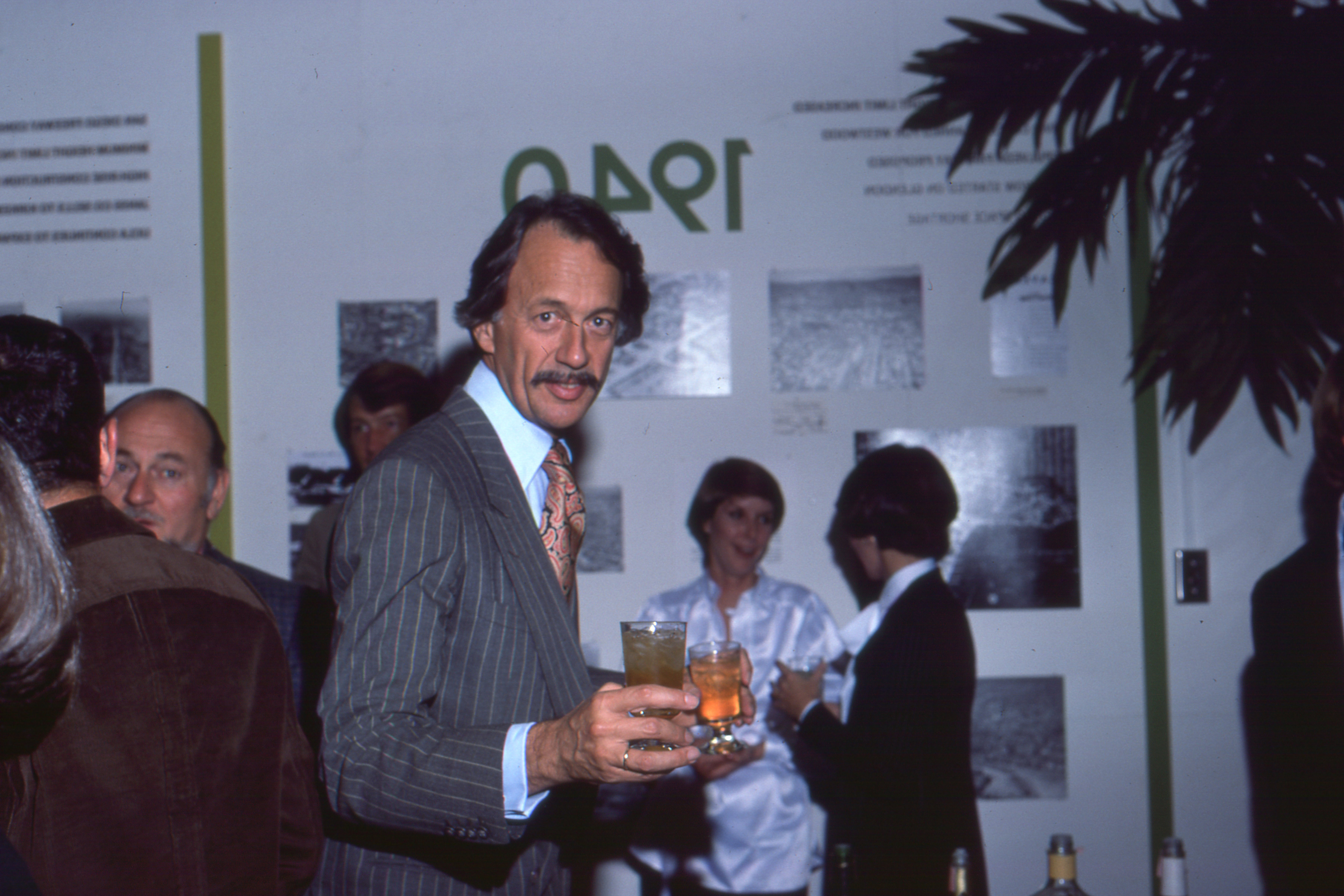
In 1974, Tim Vreeland, then the Chair of Architecture, organized “The Whites and the Grays,” a weekend of discussions between disparate voices within the emergent postmodern movement. He invited the Whites, with their overt allegiance to modernism, to debate their position with the more ambiguous Grays. Vreeland enlivened the discussions by introducing the Los Angeles contingent, the technologically driven Silvers, into the mix.
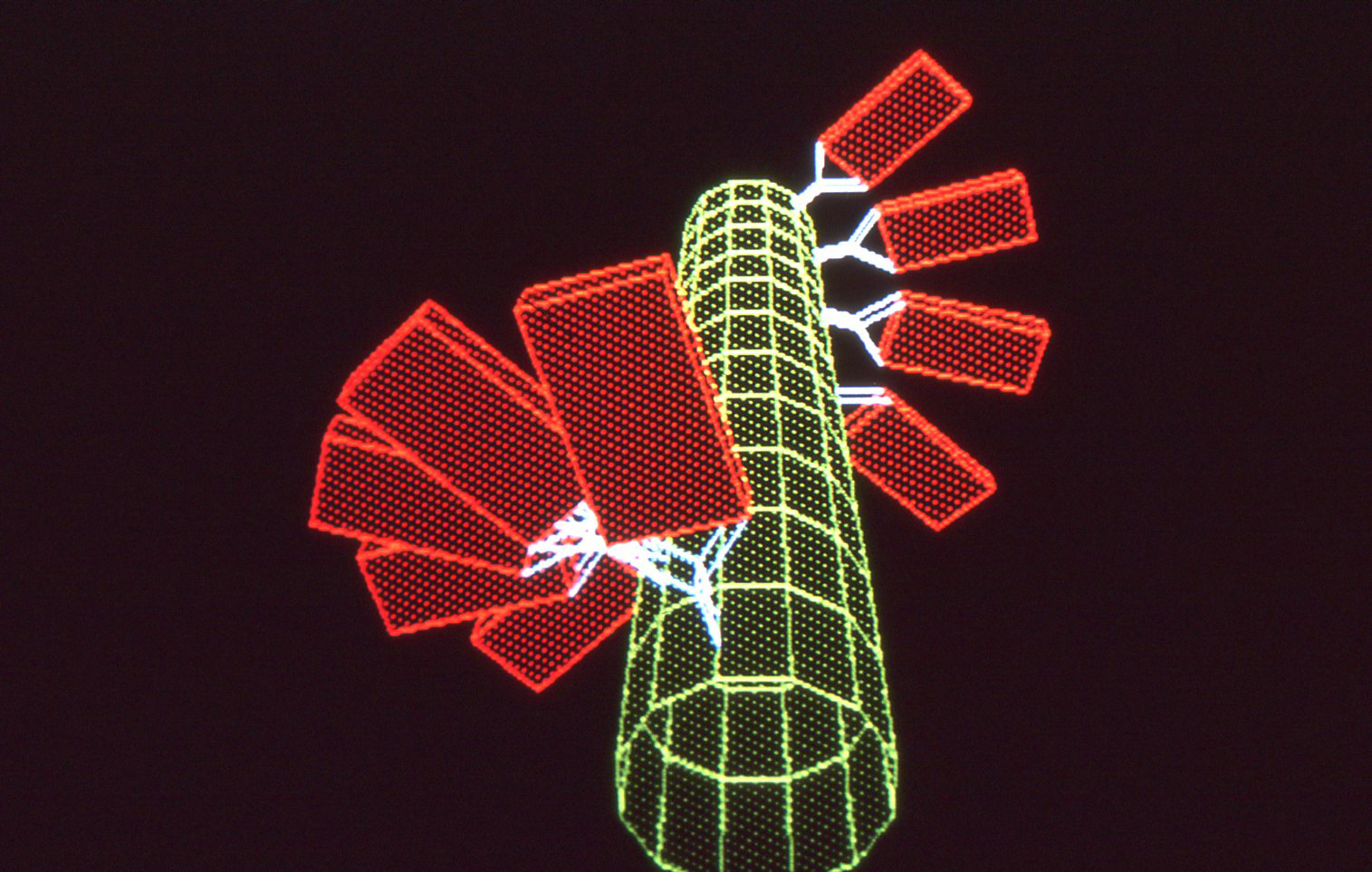
William Mitchell, who became chair of the architecture program in 1980, worked to develop technological expertise within the school.
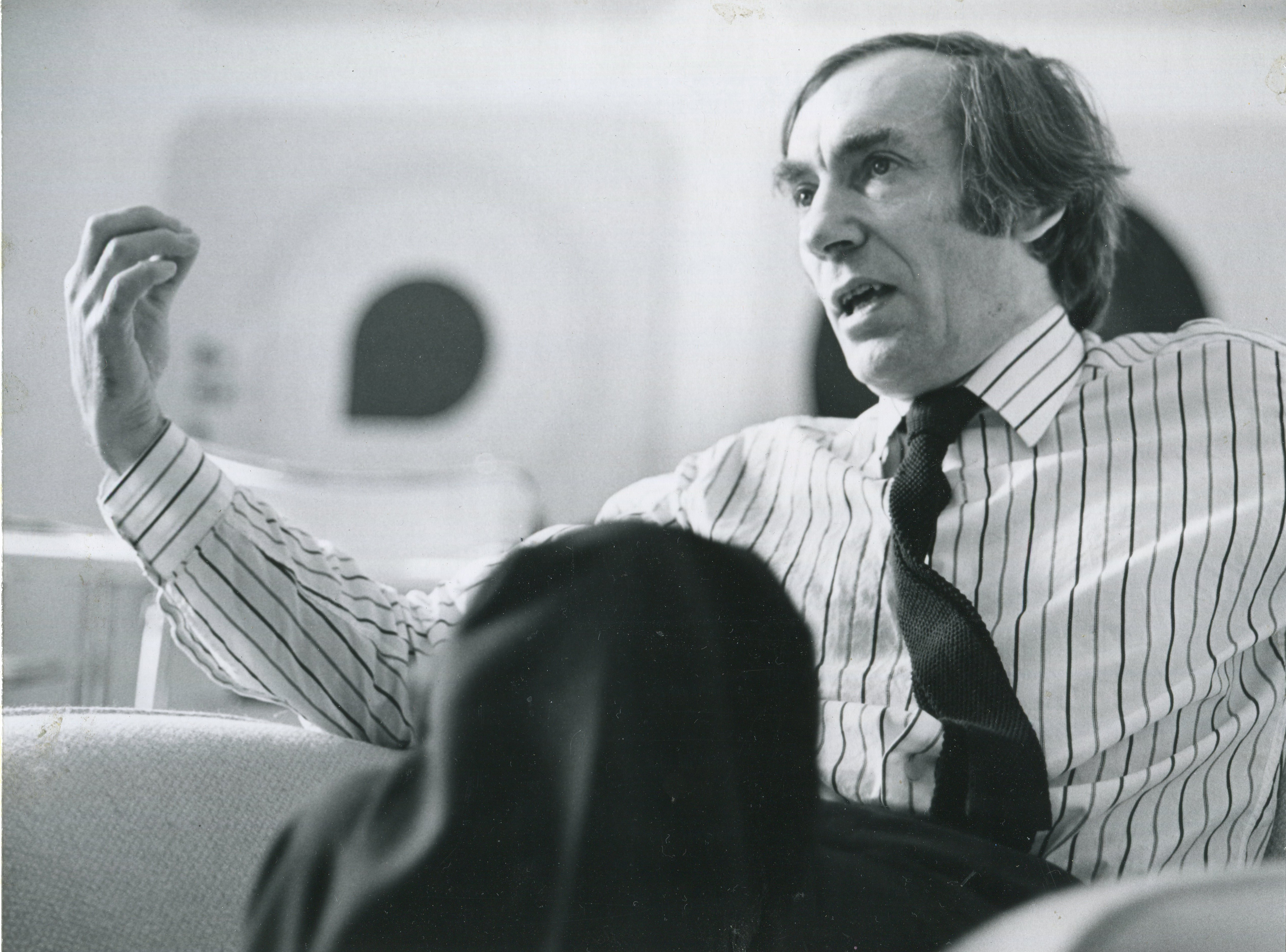

Under his leadership, interest developed in a number of areas: optimization techniques, energy modeling, building descriptions and spatial synthesis procedures.
This emphasis on technological innovation continued throughout the 1980s. Lionel March became the Chair of Architecture in 1986, and continued research into computer-aided design.
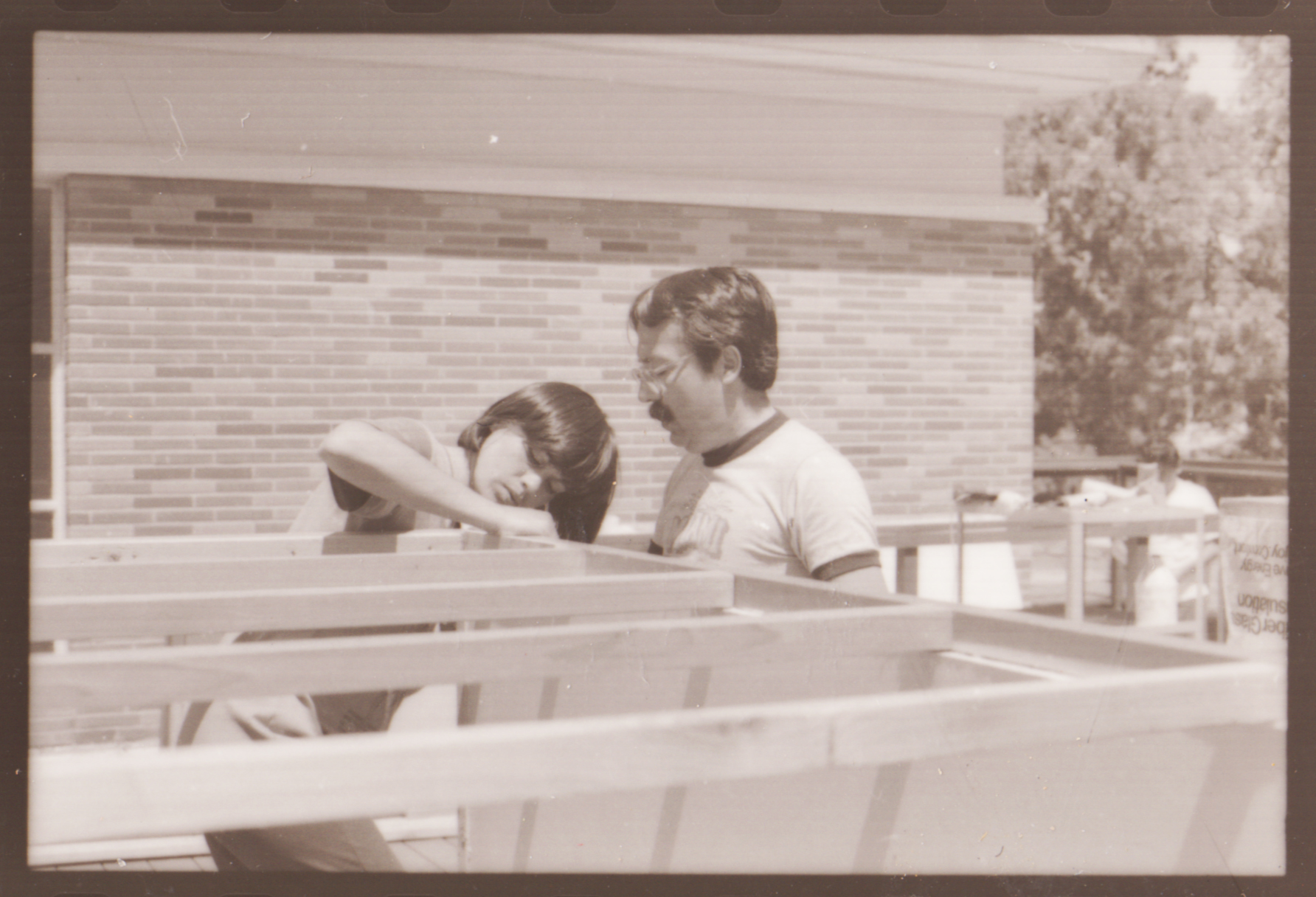
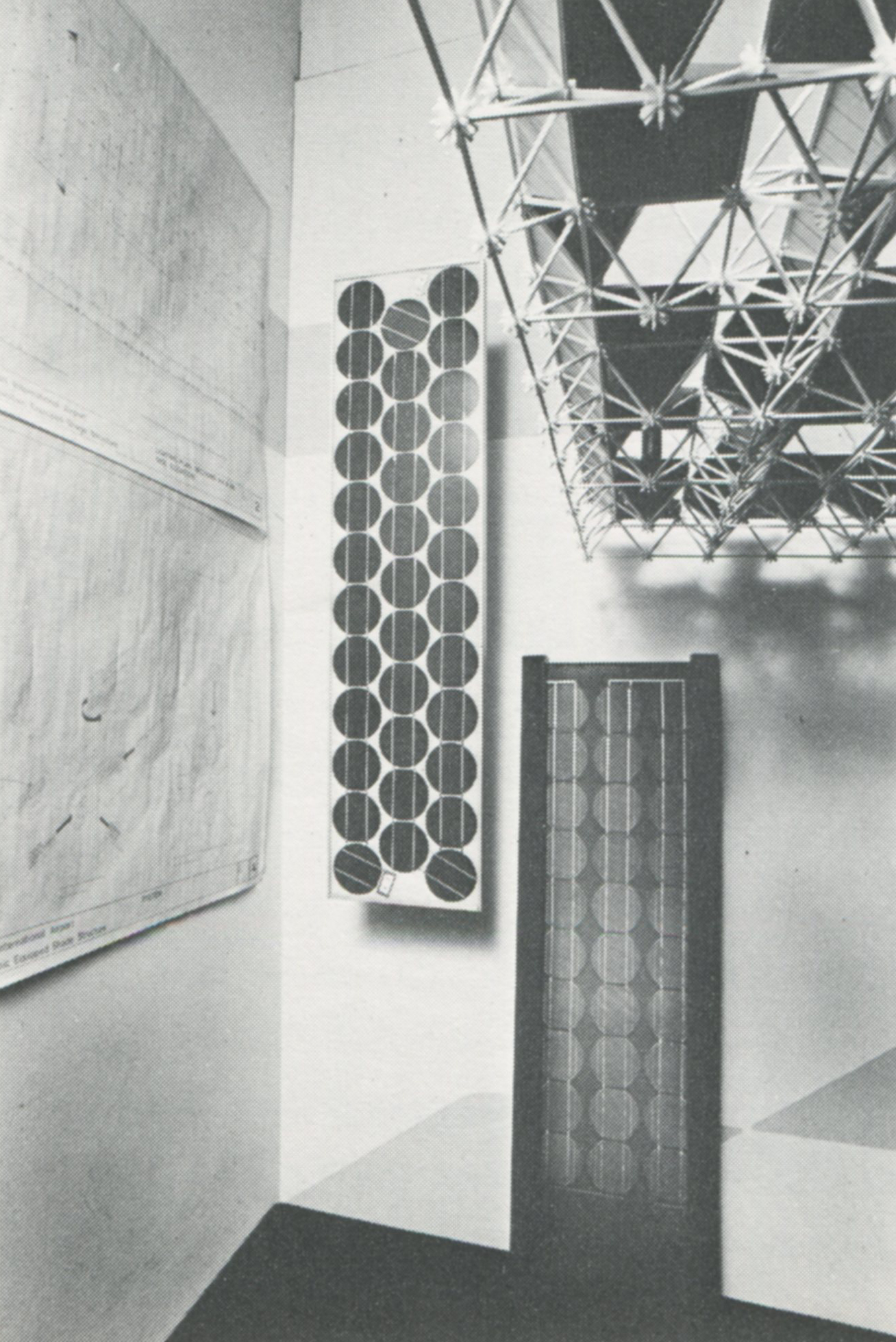
That same year, Baruch Givoni established the Lab for Study of Passive Solar Energy Models. Students in the lab constructed a raised platform on the roof of Perloff Hall, on which to test solar panels.
In 1985, Richard Weinstein became Dean of the school. Weinstein had a background in both architecture and city planning, and he used policy studies to unite the architecture and urban planning areas, establishing the Lewis Center for Regional Policy Studies in 1988.
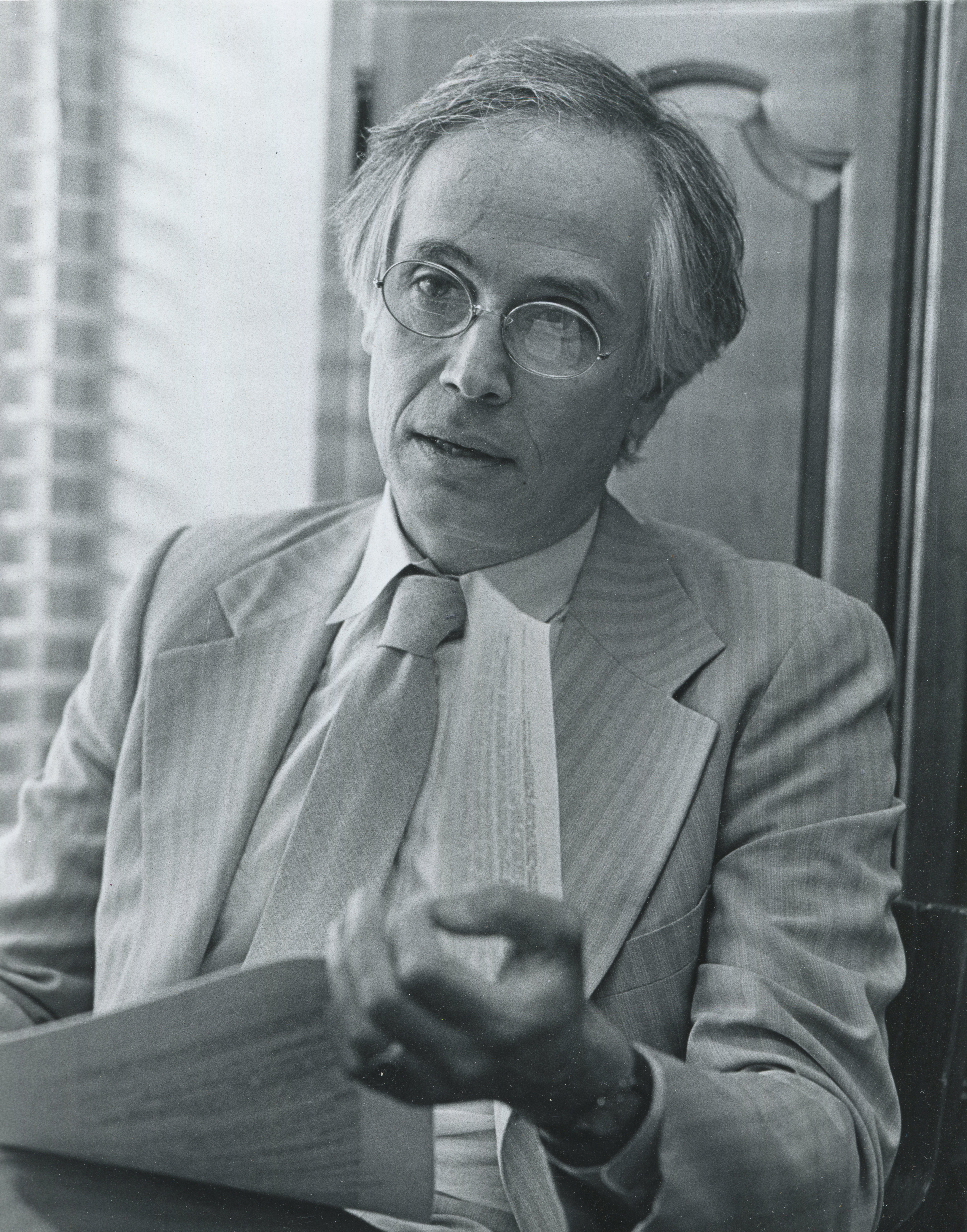
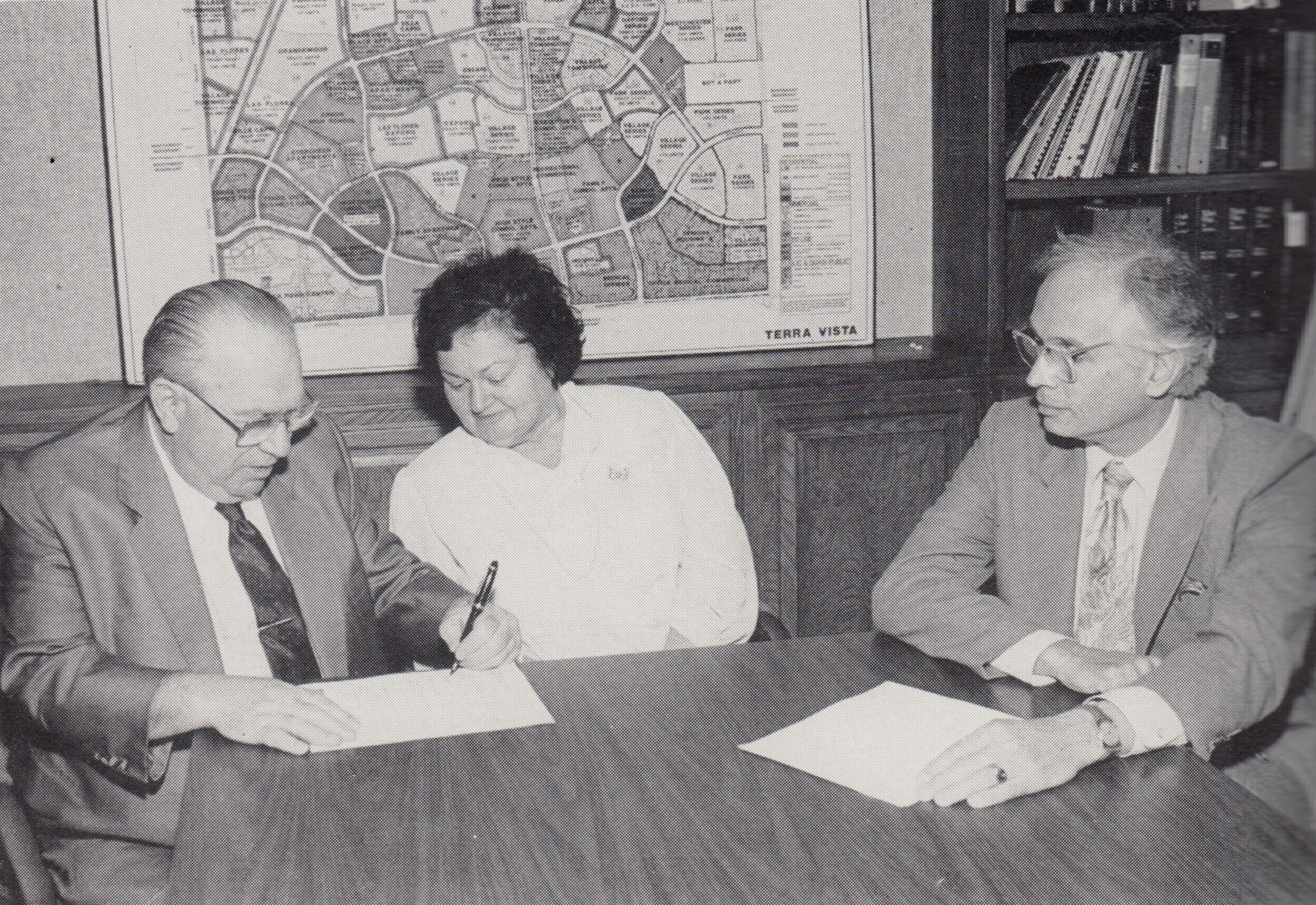
Edward Soja was on a committee tasked with running the center and, in 1992, launched the Critical Studies in Architecture and Planning program as a way to bring theories of criticism into the core curriculum—this became one of the school’s distinctive specializations.
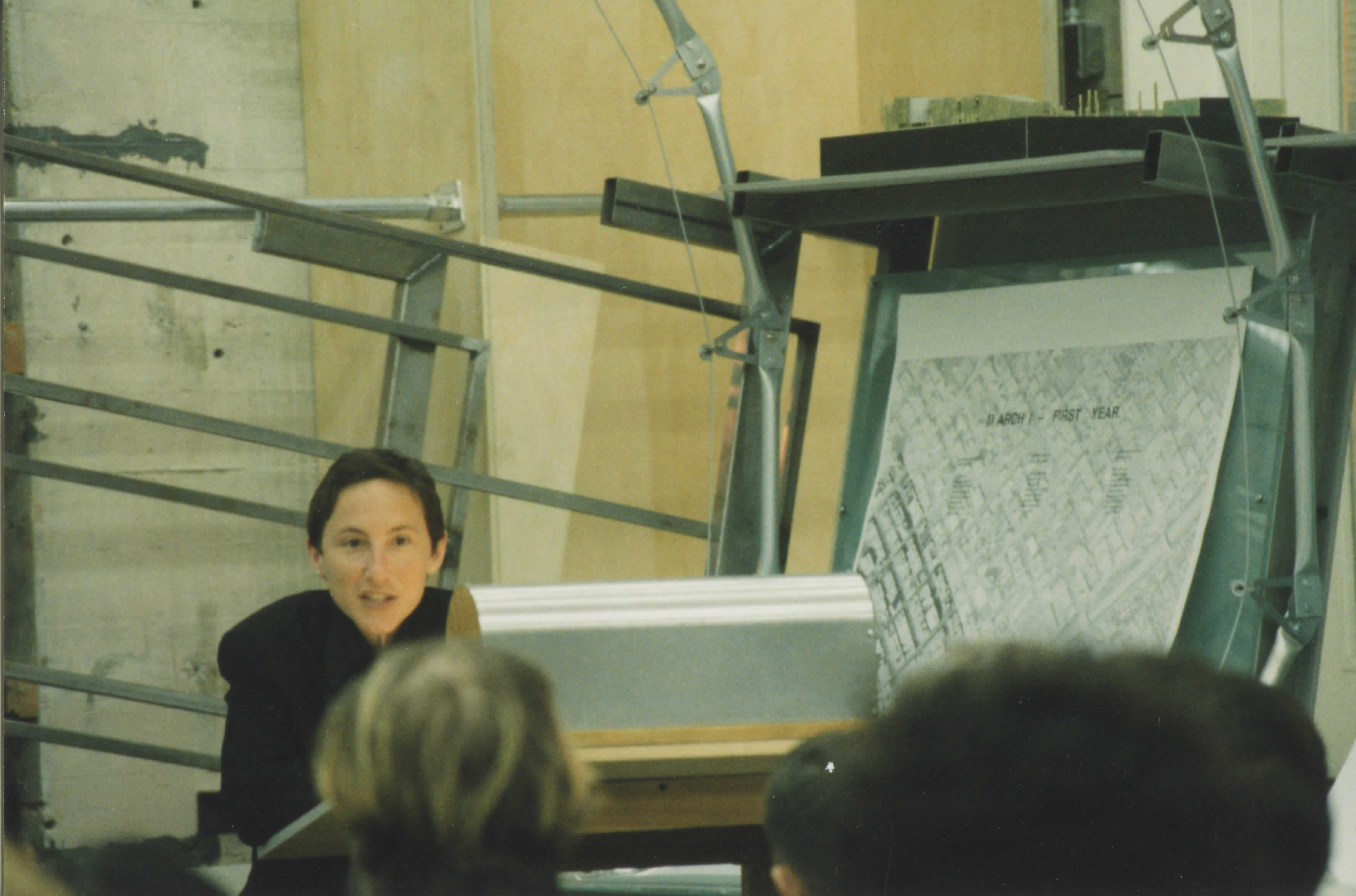
In 1994, the Department of Architecture and Urban Design became part of the newly created School of Arts and Architecture, a product of UCLA’s Professional Schools Restructuring Initiative. Sylvia Lavin, the department’s first chair, led AUD with a focus on critical theory. Theoretical research and debate took place in a variety of forms:
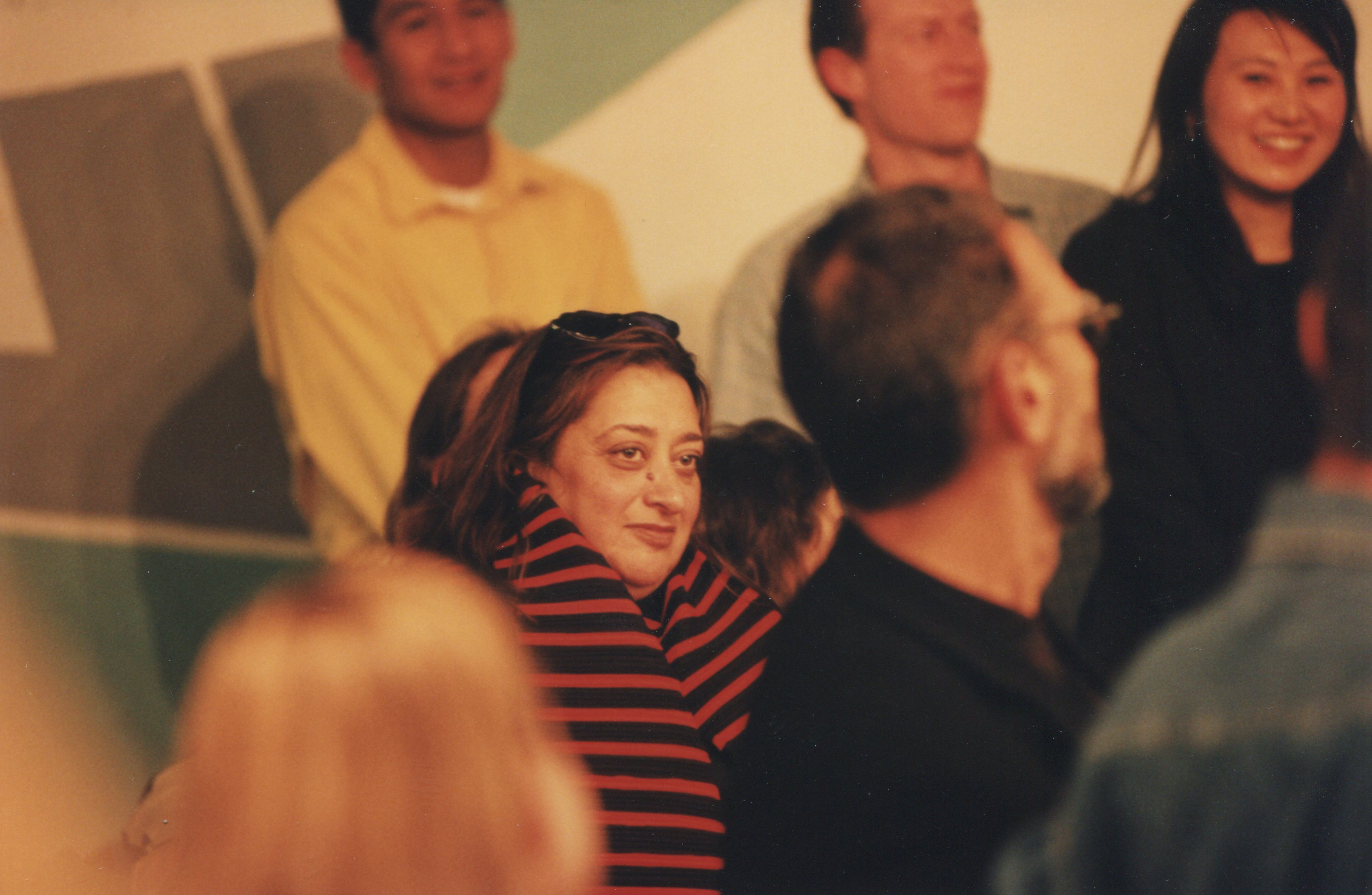
intensive student workshops led by an international roster of visiting professors,
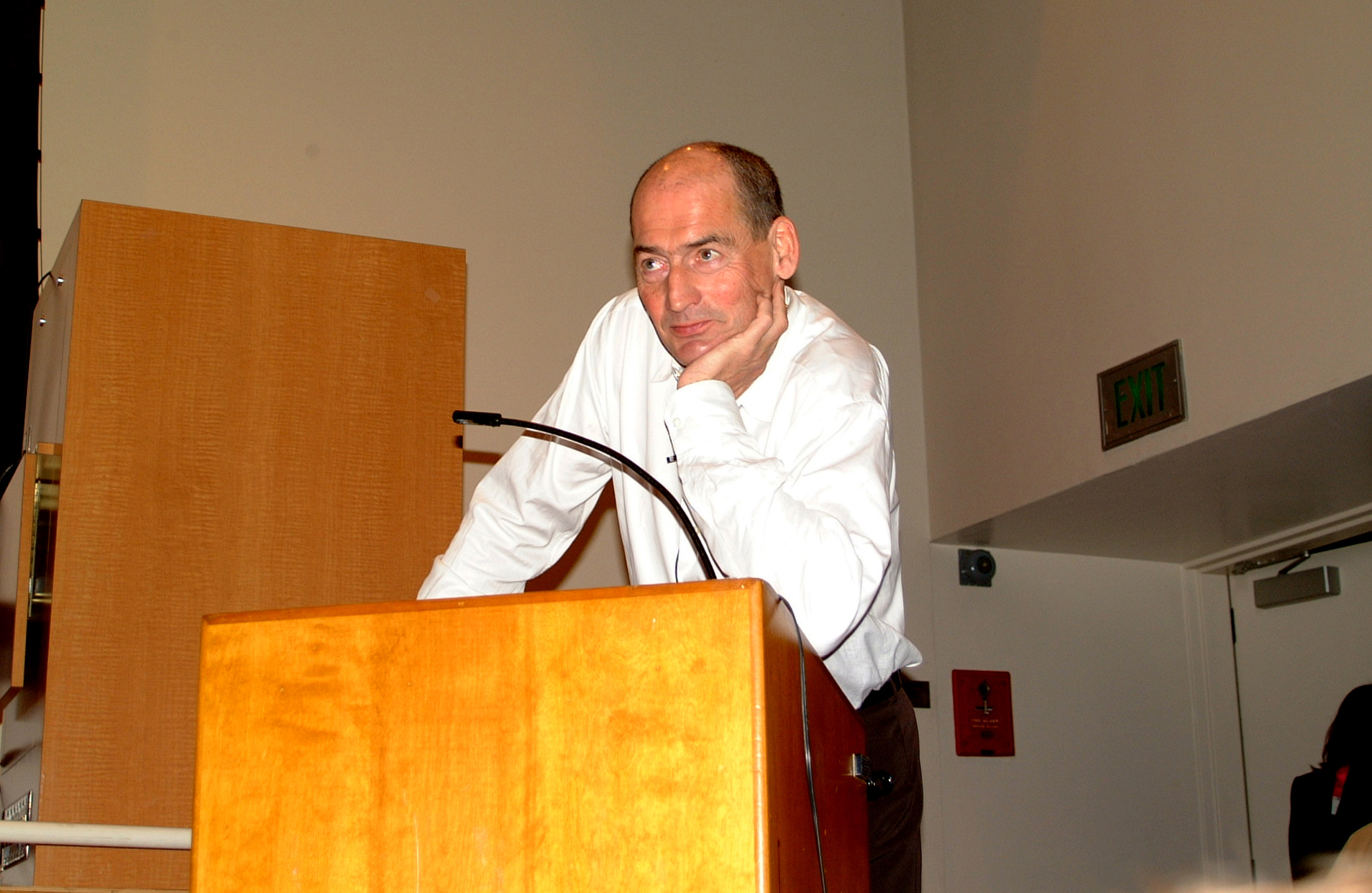
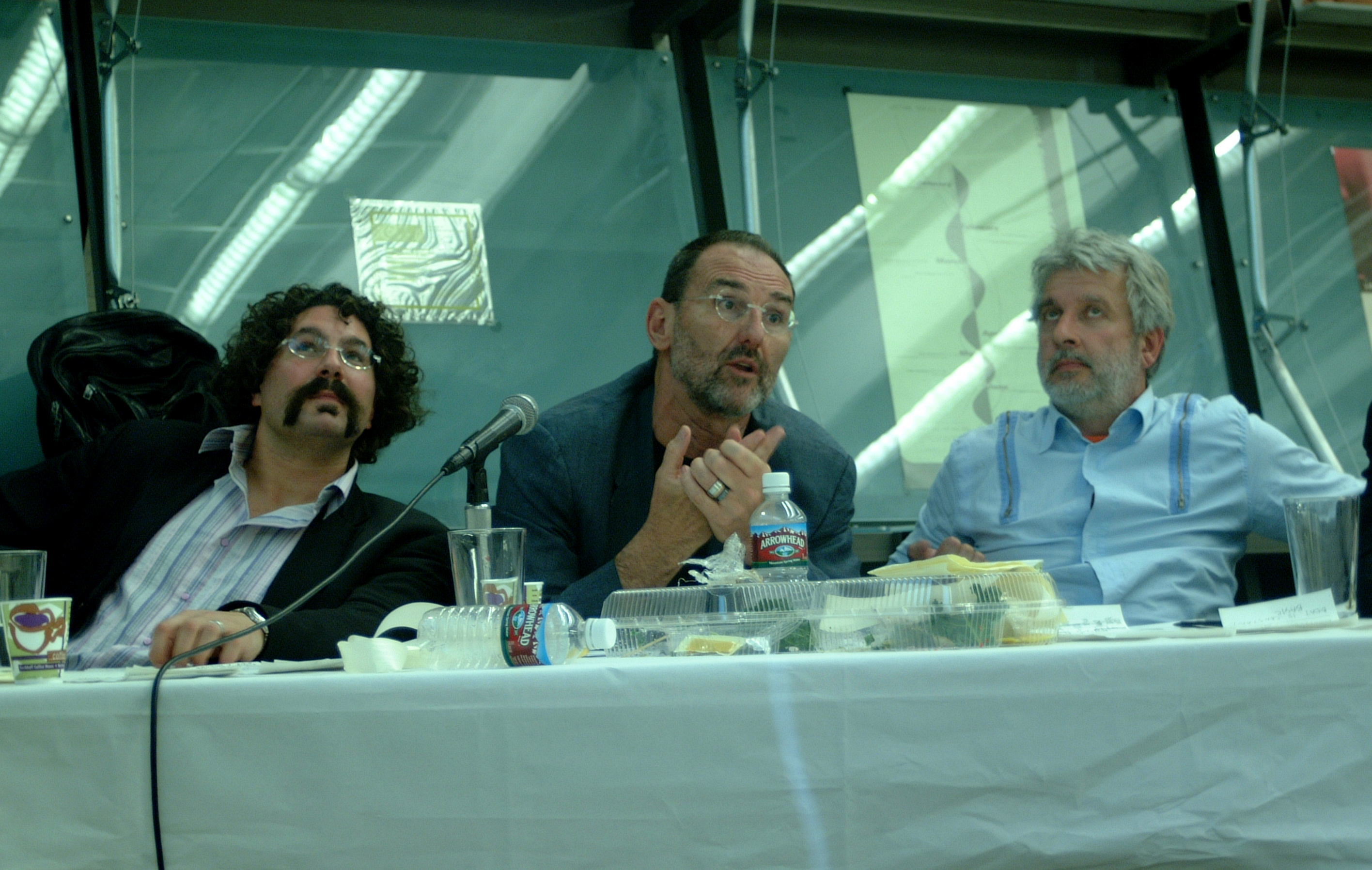
Symposia,

collaborative publications between students and faculty,
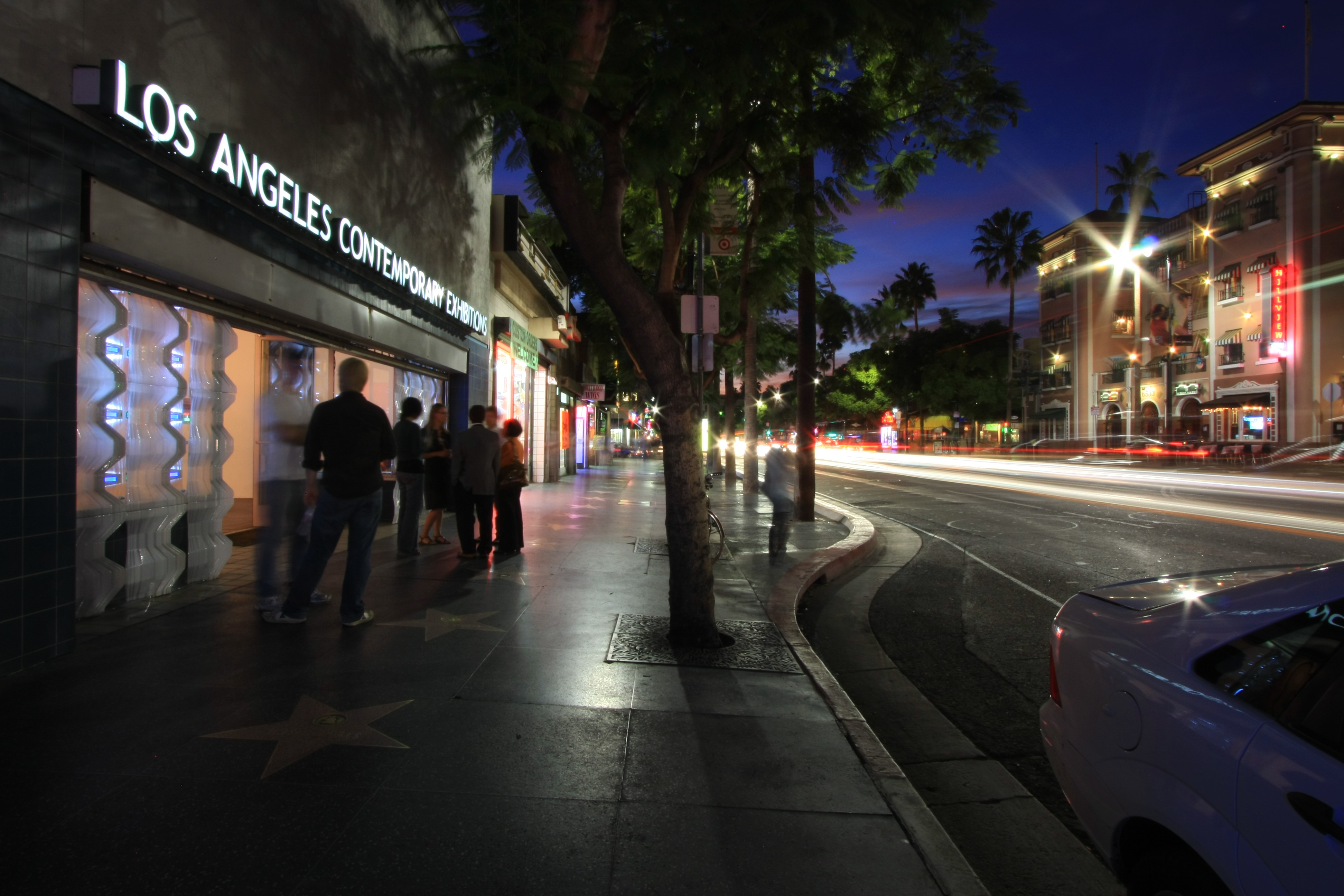
as well as a vigorous exhibition program that expanded to venues beyond Perloff Hall, integrating the school’s presence within the larger community.

UCLA cityLAB, founded in 2006 and led by AUD’s Dana Cuff, has pioneered a series of policy and research achievements. Based at AUD, cityLAB continues advancing impactful projects and legislation, including 2022’s AB2295, streamlining the development of housing for California teachers and school staff.
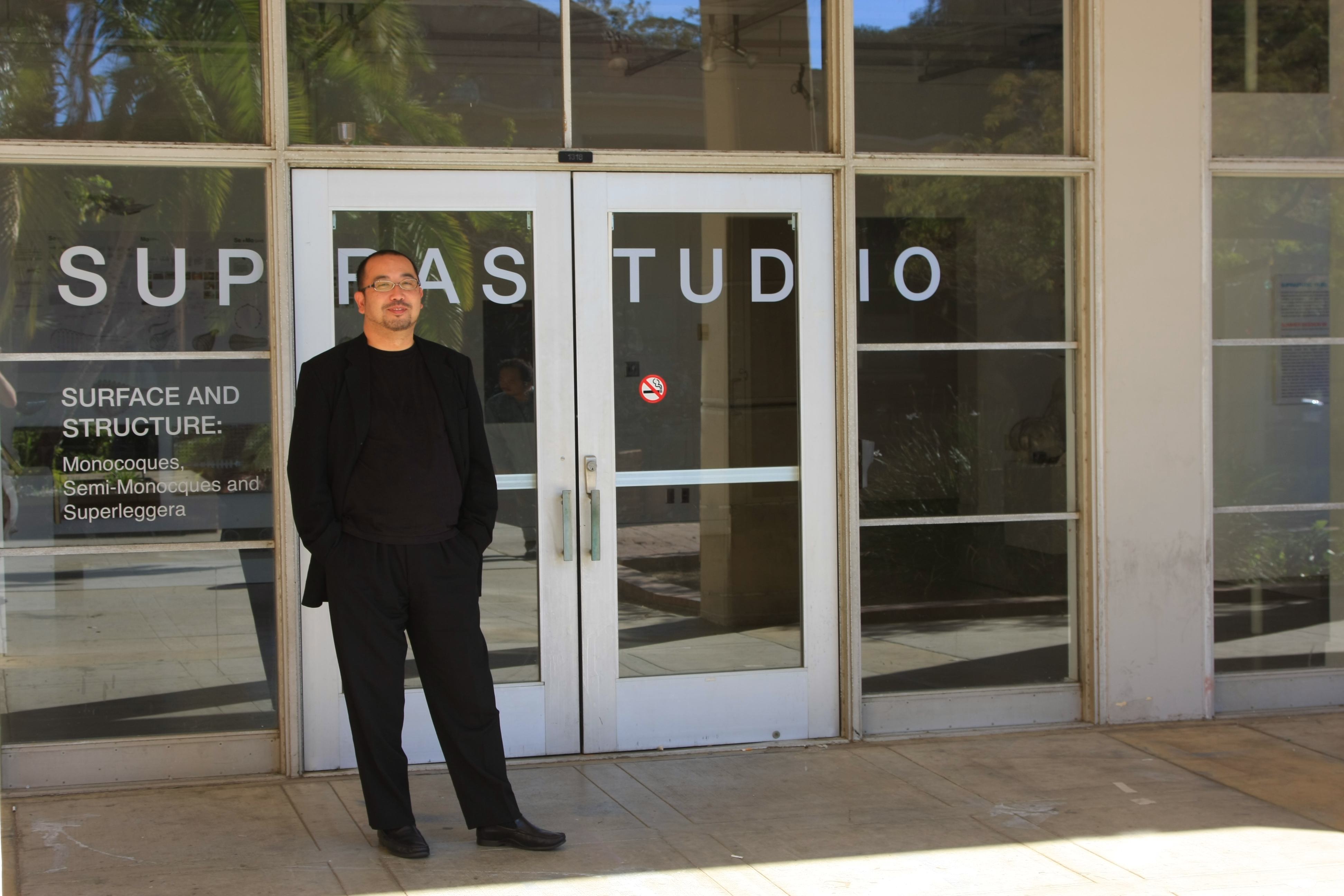
Hitoshi Abe was appointed chair of the department in 2007. Abe reinvigorated the program’s early emphasis on technological research and engaging students in professional collaborations with local industries. The Suprastudio MArch II program was launched in 2008 as a post-professional research platform;
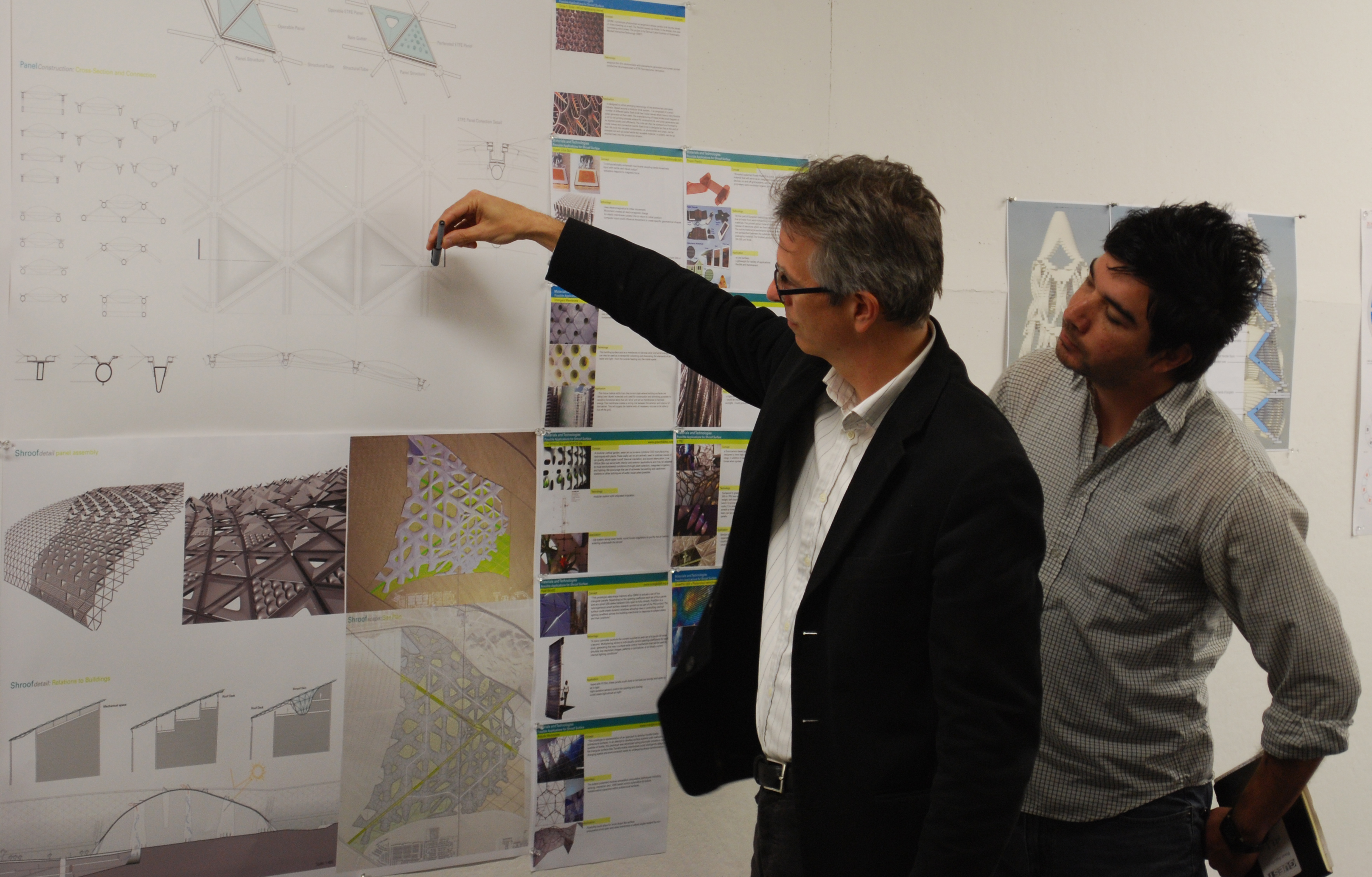
its initial studio offered by Neil Denari.
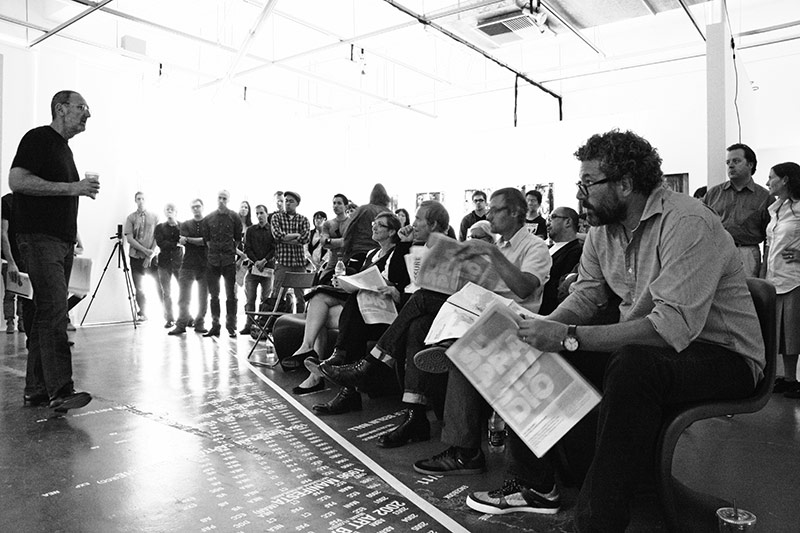
And, in 2013, Abe launched AUD’s IDEAS program, with concurrent post-professional studios offered by Greg Lynn, Thom Mayne, and Frank Gehry. These studios partnered student researchers with leaders in the transportation, entertainment, and cultural sectors and invigorated the department with tangible, real-world clients and projects.
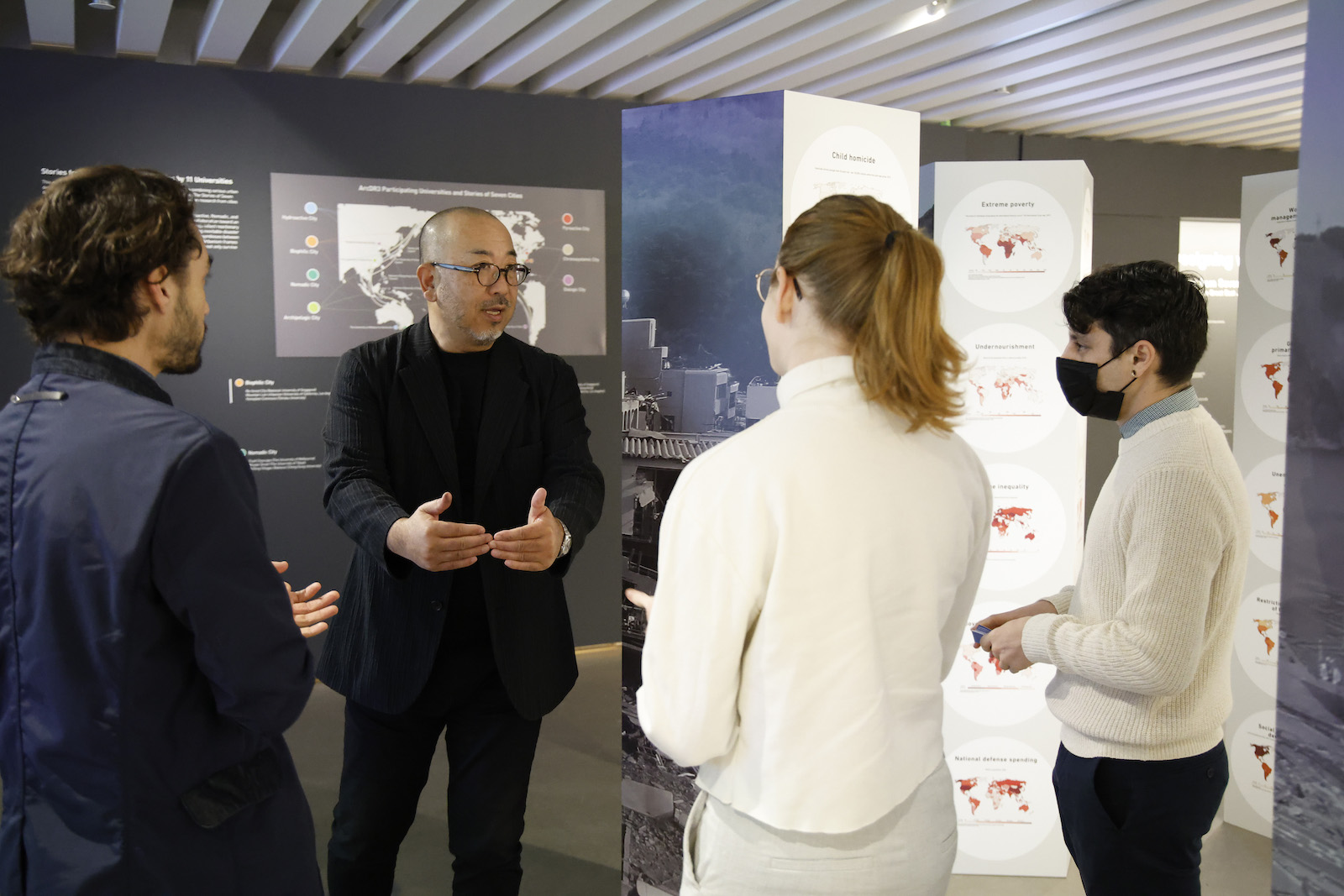
Abe’s xLAB, an international think tank that examines architecture’s elastic boundaries through interdisciplinary collaboration, continues to be a research powerhouse at UCLA and at AUD.
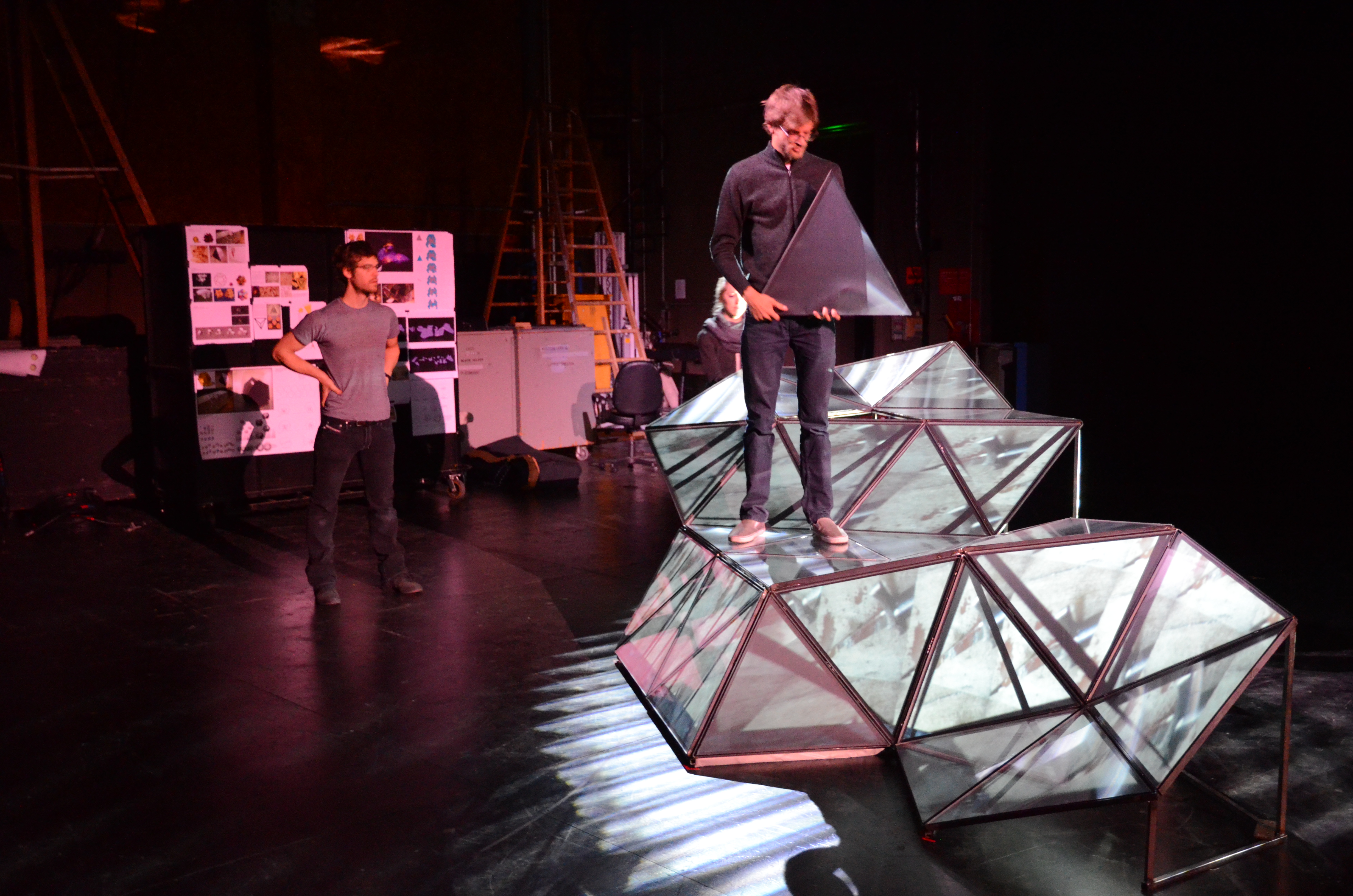
The 2010s at AUD demonstrated the department’s longstanding commitments to implementing innovative technology, to pairing education with professional practice, and to critical engagement–pillars that have made UCLA’s Department of Architecture and Urban Design a leader in architectural education.

AUD celebrated its 50th anniversary in 2016 with a Royce Hall gala event, where the department toasted its alumni and friends and honored legendary architect Denise Scott Brown, visionary designer Yves Béhar, and a key group of influential advocates who have helped preserve Palm Springs’ extraordinary legacy of mid-century modern architecture. The AUD50 gala and celebration generated support for AUD’s innovative programs and vital scholarships for students.
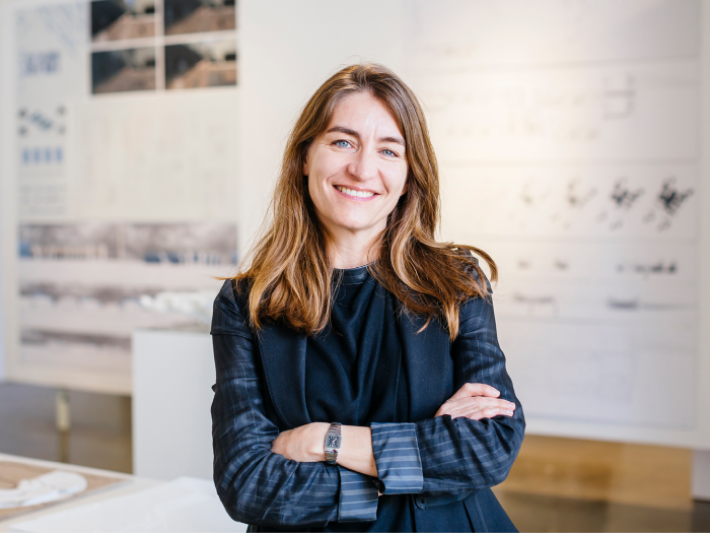
Heather Roberge was named chair of AUD in 2017. “UCLA Architecture and Urban Design has the opportunity, and responsibility, to be thought leaders in the context of a rapidly evolving Southern California,” Roberge observed.
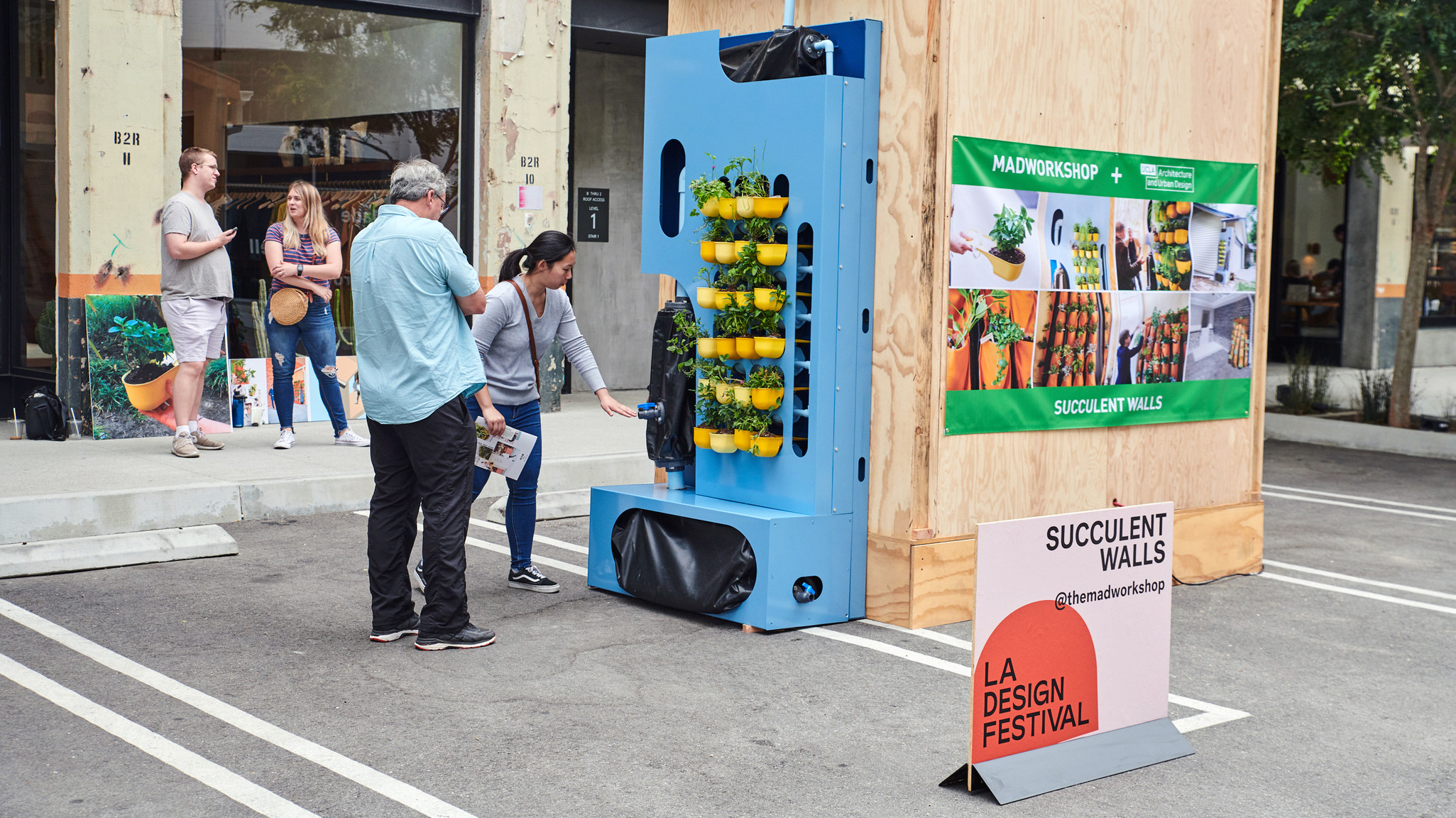
Among other projects, Roberge led AUD’s presence in 2018’s Los Angeles Design Festival and 2019’s “The Los Angeles Schools” exhibition, while advancing critical explorations of technology, ecology, and industry throughout her chairship.
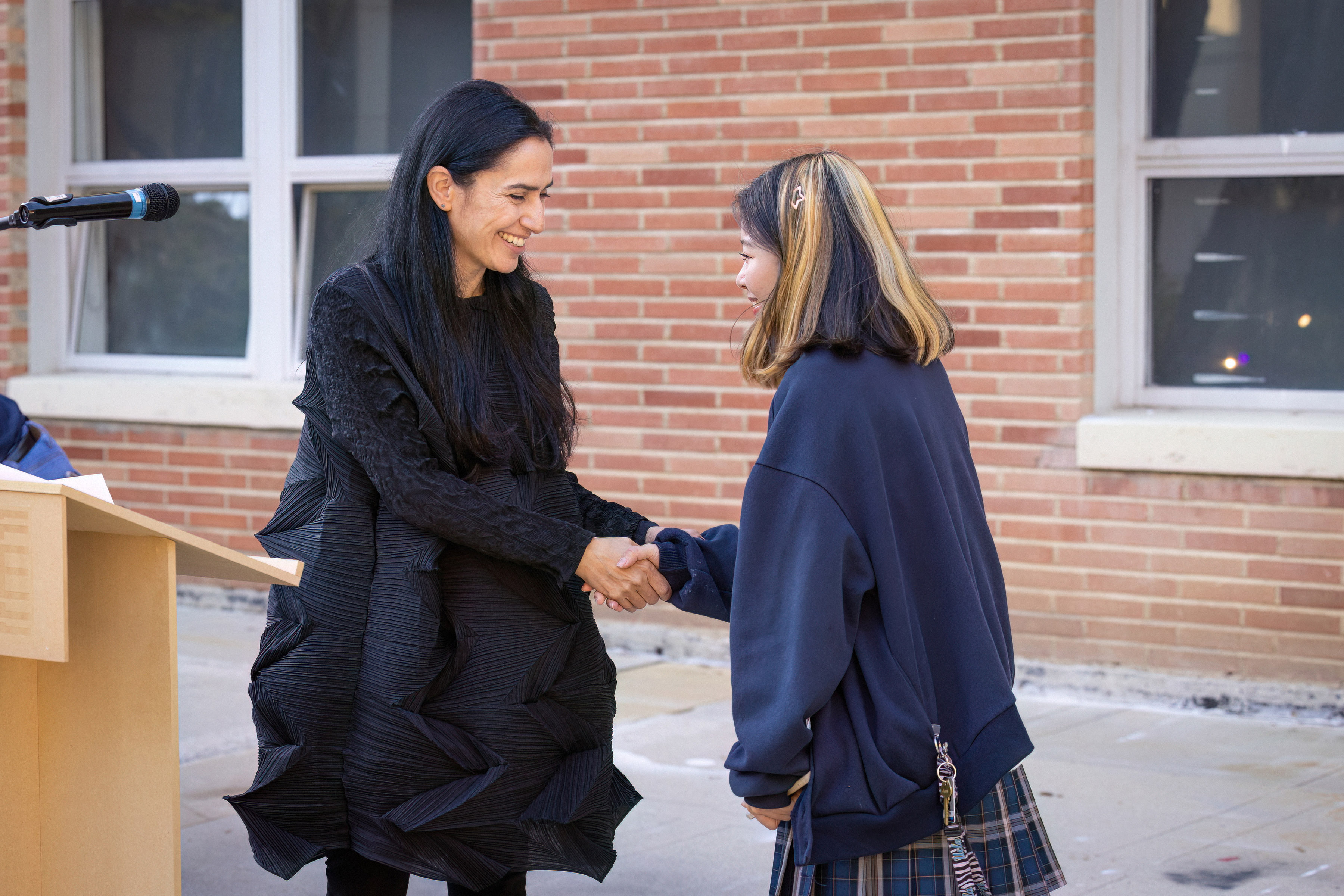
Following Roberge, UCLA AUD appointed Mariana Ibañez chair in 2021. Ibañez has pioneered a series of innovations across the department’s curriculum, research, and public programming.
Today, under Ibañez's leadership, AUD continues drawing talented, passionate students and faculty from around the world, and exploring the boundaries and possibilities of design, of Los Angeles, and of our future.